
A Perplexity AEO agency helps companies structure content, entities, and proof so Perplexity can confidently pull their information into direct answers. The result is fewer “maybe” impressions and more consistent inclusion in answer-based results where the user never has to open ten tabs.
What is “Perplexity AEO,” and why does it matter now?
Perplexity AEO is the practice of optimizing a brand’s content so it is selected, summarized, and cited inside Perplexity answers. Many businesses work with a perplexity aeo agency to structure their content and improve the chances of being referenced, because Perplexity frequently resolves queries by stitching together sources rather than presenting a list of blue links.
If they are not the cited source, they can lose mindshare even when they “rank” elsewhere. AEO shifts the goal from clicks alone to citations, summaries, and trusted inclusion.
How is Perplexity different from Google SEO?
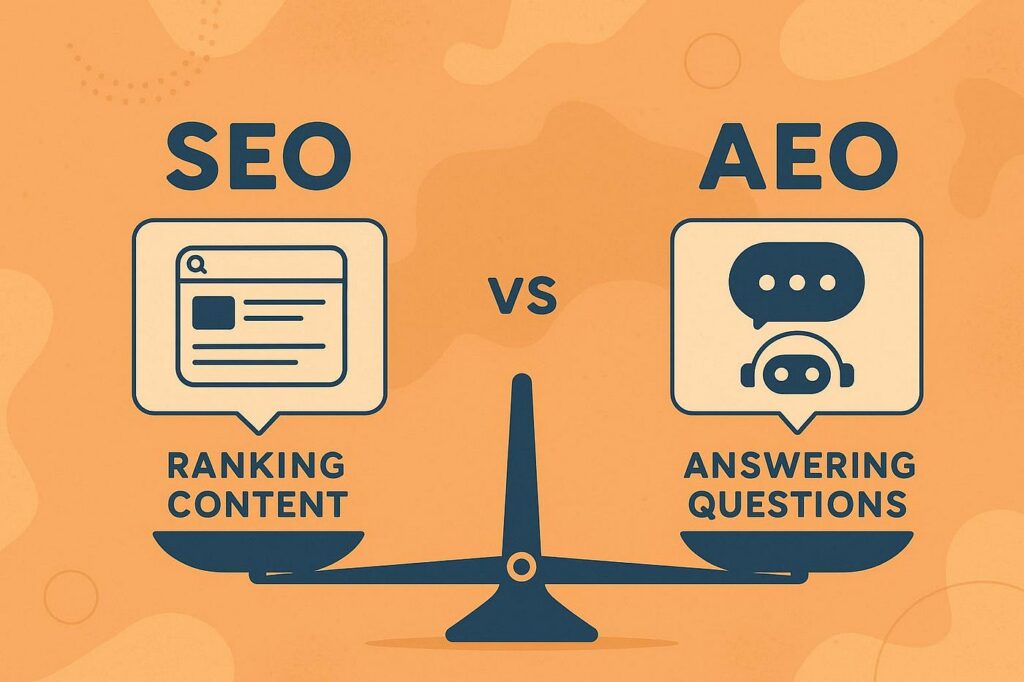
Perplexity behaves like a research assistant that cites sources, not like a traditional search index that rewards pages for matching keywords. It often prefers pages that answer clearly, show evidence, and are easy to extract into a clean response.
That means a page can be “SEO good” but “AEO weak.” If their content is long, vague, or unstructured, Perplexity may cite someone else who explains the same point more directly.
Why do answer engines reward structure more than style?
Answer engines need content they can parse quickly into reliable chunks. They reward pages that define terms, present steps, and separate claims from evidence.
An AEO agency typically improves headings, section order, tables, and short answer blocks so Perplexity can lift the right lines without guessing. When their content is easy to quote, it becomes easier to cite.
What does a Perplexity AEO agency actually do?
They translate a brand’s expertise into “answer-ready” assets. That usually includes topic mapping, question selection, entity targeting, and rewriting pages so each one resolves a specific search intent cleanly.
They also audit citation patterns in Perplexity and adjust content to match what the engine already trusts. Over time, they build a library of pages that are designed to be summarized accurately.
How does an agency help them win more Perplexity citations?
They focus on citation triggers: clear claims, supporting data, authoritativeness signals, and internally consistent definitions. Perplexity tends to cite sources that appear stable and verifiable across multiple pages.
An agency will often add primary references, align terminology, and remove fluff that makes answers ambiguous. If they reduce contradiction and increase proof, Perplexity has more reason to choose them as a source.
Why is entity optimization so important for Perplexity answers?
Entities help Perplexity understand “who” and “what” a page is about. If their brand, products, founders, locations, and categories are inconsistently named, the engine can treat them as separate things.
AEO agencies standardize entity mentions, connect related pages, and clarify relationships like “Product X is a type of Y used for Z.” That improves retrieval accuracy and increases the odds their pages match the question being asked.
How does partnering improve content that already ranks?
A page can rank in SEO and still fail in AEO because it does not answer directly enough. Agencies rework content so the first lines resolve the question, then expand with detail.
They also add scannable elements like FAQs, definitions, and step lists that answer engines can reuse. The page stays human-readable, but it becomes far more “quotable” in an answer format. See top AEO agencies leading the shift from traditional SEO.
What role do E-E-A-T and trust signals play in Perplexity AEO?
Perplexity cites sources that feel credible, not just optimized. Trust signals such as clear authorship, editorial standards, up-to-date information, and references can influence whether they are selected.
An agency typically tightens author bios, review dates, citations, and “about” information so the site reads like a reliable publication. If they look like the safest source, they get cited more often.
How does an AEO agency handle “zero-click” outcomes?
They plan for visibility without a click. In answer engines, the win is being mentioned, cited, and associated with the solution even when the user never visits the site.
Agencies often optimize for brand recall inside the answer by ensuring the brand name, product name, or unique framework is naturally included in the extractable text. That way, they benefit even when traffic is lower than traditional SEO.
What should they look for when choosing a Perplexity AEO agency?
They should look for an agency that measures citations and answer inclusion, not only rankings and sessions. They also need a team that understands information architecture, entity consistency, and how Perplexity sources answers.
The best partners show before-and-after examples inside Perplexity, have a process for prompt-based testing, and can explain how they reduce hallucination risk by improving on-page clarity and evidence.
How can they tell if the partnership is working?
They should see growth in Perplexity citations for target topics, more frequent inclusion in answer summaries, and better alignment between their pages and the questions users ask. They may also see higher-quality inbound leads because the answers filter for intent.
It helps to track a set of priority queries weekly, record cited URLs, and monitor which competitors appear. If their share of citations rises, the strategy is working.
Why does partnering beat trying to DIY AEO?
DIY efforts often stall because teams optimize for what they can see in analytics, not for what answer engines actually cite. Agencies bring repeatable testing, structured writing methods, and a focused approach to entities and evidence.

If they want to improve answer-based rankings faster and with fewer blind spots, partnering usually reduces trial and error. In a world where “being the answer” is the new top spot, that advantage compounds.
FAQs (Frequently Asked Questions)
What is Perplexity AEO and why is it important for brands today?
Perplexity AEO (Answer Engine Optimization) is the practice of optimizing a brand’s content so it is selected, summarized, and cited within Perplexity’s AI-generated answers. It matters now because Perplexity often resolves queries by stitching together sources rather than listing blue links, making citation and trusted inclusion more valuable than traditional rankings or clicks.
How does Perplexity AEO differ from traditional Google SEO?
Unlike Google SEO, which rewards pages for keyword matching and ranking, Perplexity acts like a research assistant that cites sources providing clear, evidence-backed answers. Content that is long, vague, or unstructured may rank well in SEO but fail in AEO because Perplexity prefers direct, easy-to-quote responses.
Why do answer engines like Perplexity prioritize content structure over style?
Answer engines need content they can quickly parse into reliable chunks. They reward pages with clear definitions, step-by-step instructions, well-organized headings, tables, and distinct claims supported by evidence. Structured content makes it easier for Perplexity to extract accurate lines for direct answers.
What services does a Perplexity AEO agency provide to improve answer-based visibility?
A Perplexity AEO agency translates a brand’s expertise into ‘answer-ready’ assets by topic mapping, selecting relevant questions, targeting entities, and rewriting pages to resolve specific search intents clearly. They audit citation patterns in Perplexity and optimize content to align with trusted sources, building a library of pages designed for accurate summarization.
How do agencies help brands win more citations on Perplexity?
Agencies focus on citation triggers such as clear claims, supporting data, authoritative signals, and consistent definitions. They add primary references, standardize terminology, remove ambiguous content, and reduce contradictions to make the brand appear stable and verifiable — increasing the likelihood of being chosen as a cited source.
Why is entity optimization critical for success in Perplexity answers?
Entities help Perplexity understand exactly who and what a page is about. Inconsistent naming of brands, products, or locations can lead to misinterpretation. AEO agencies standardize entity mentions and clarify relationships (e.g., ‘Product X is a type of Y used for Z’), improving retrieval accuracy and matching user questions more effectively.